
Accent Walls: Choosing the Wall, the Color and the Finish
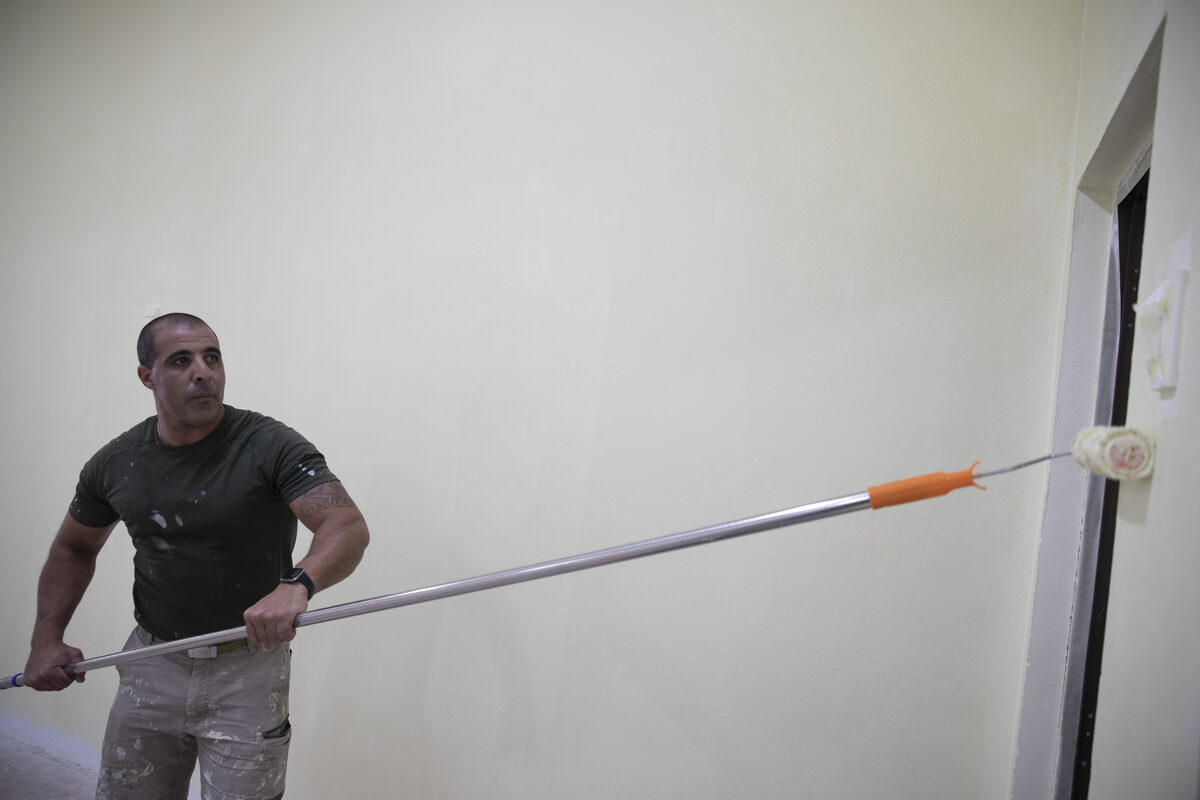
An accent wall works best on the wall your eye already goes to: behind a bed, a fireplace, a sofa, or at the end of a long room. Painting a random wall, or a wall broken up by doors and windows, usually looks like a mistake rather than a choice.
Choosing the Wall
- The headboard wall in a bedroom
- The fireplace wall or the wall behind a TV
- The far wall of a long hallway or open room
- A wall without many doors, windows or vents
Choosing the Color
Muted, deeper colors (navy, charcoal, forest green, clay) feel deliberate and calm. Bright colors work in kids' rooms and playrooms. Pull the color from something in the room: a rug, art or upholstery.
Finish and Lines
Use the same sheen as the other walls unless you want the accent wall to stand out further. The key to a clean accent wall is the corner line: a straight, crisp line where the colors meet, and a clean line at the ceiling. Deep colors may need a tinted primer or a third coat for even coverage.
When to Skip It
In small rooms with lots of openings, or in open floor plans where walls run into each other, a full-room color or a painted ceiling is often better than one accent wall.
Frequently Asked Questions
Should an accent wall be darker or lighter?
Usually darker, but a lighter or brighter accent can work in a dark room.
Can the ceiling be an accent?
Yes. A painted ceiling is a popular alternative to an accent wall.
Do accent walls hurt resale?
Bold colors can. If you are selling soon, neutral walls photograph better.
How many coats does a dark accent need?
Often two coats over a tinted primer, sometimes three.
Want an Accent Wall?
We paint accent walls on their own or as part of a room repaint. See interior painting or contact us.