

Colors & Finishes
Accent Walls: Choosing the Wall, the Color and the Finish
An accent wall works on the wall your eye already goes to. Dark, muted colors and crisp corner lines make it look intentional.
Read the guide →Plain answers from Matthews Painting Pros for homeowners in Matthews and nearby towns: what to fix before painting, which products and sheens hold up here, and how to plan around pollen, heat and HOA rules.
An accent wall works on the wall your eye already goes to. Dark, muted colors and crisp corner lines make it look intentional.
Read the guide →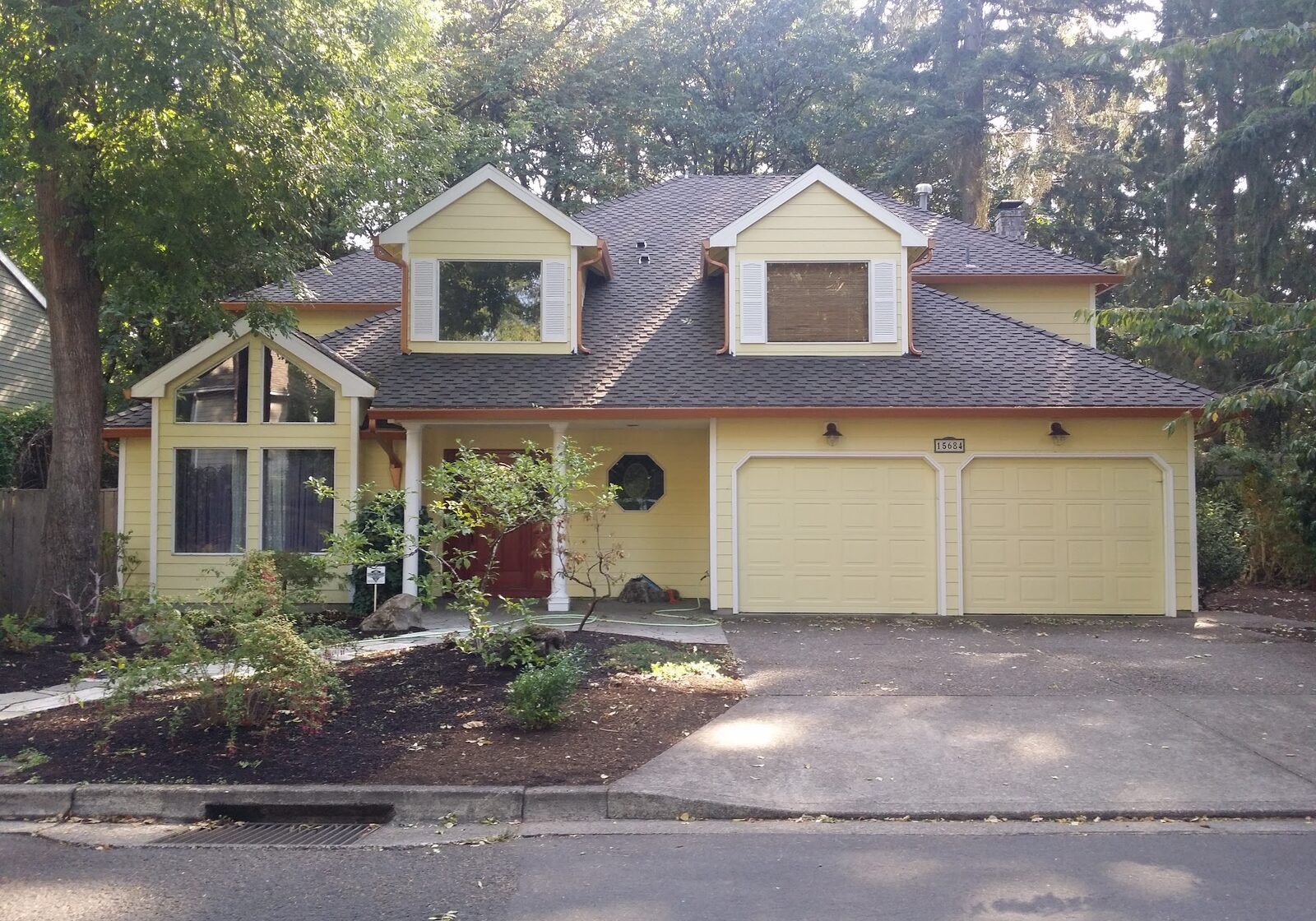
September to early November and late spring after the pollen are the sweet spots. Summer works with early starts; winter only on mild days.
Read the guide →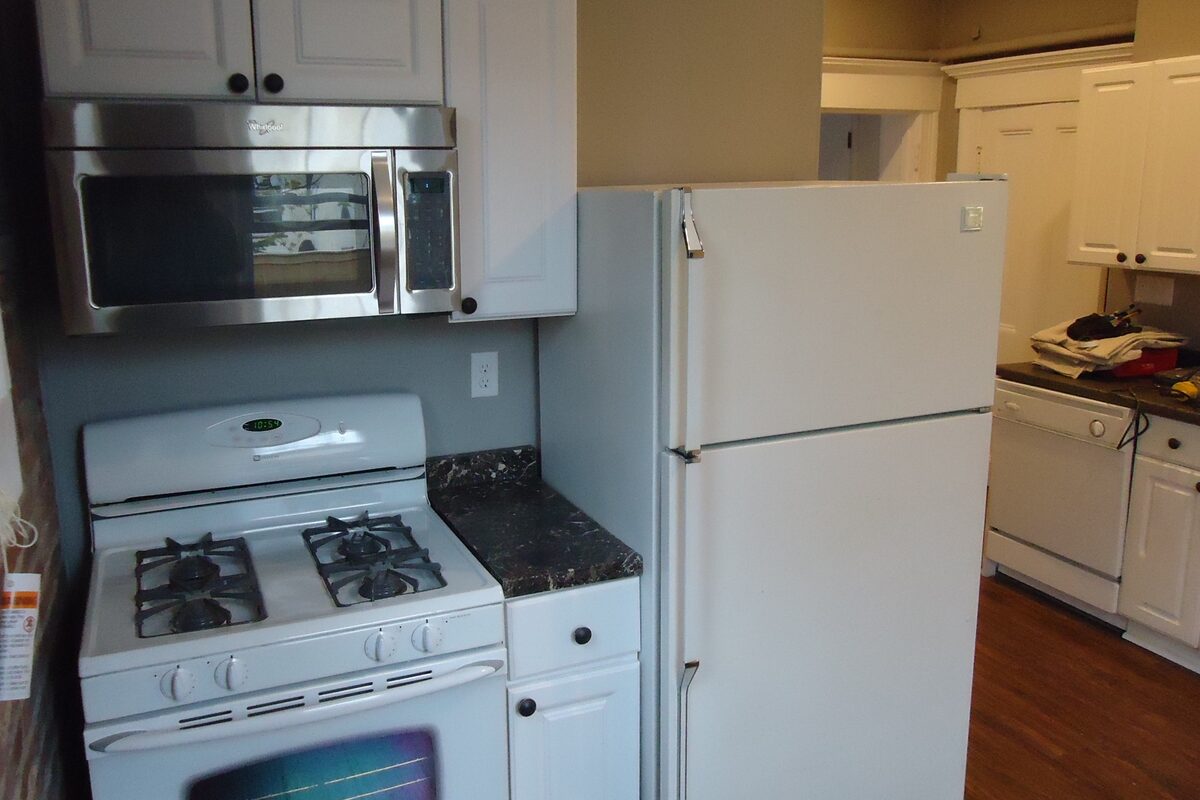
Paint if the boxes are solid and you like the layout. Reface for new door styles. Replace for water damage or a new layout.
Read the guide →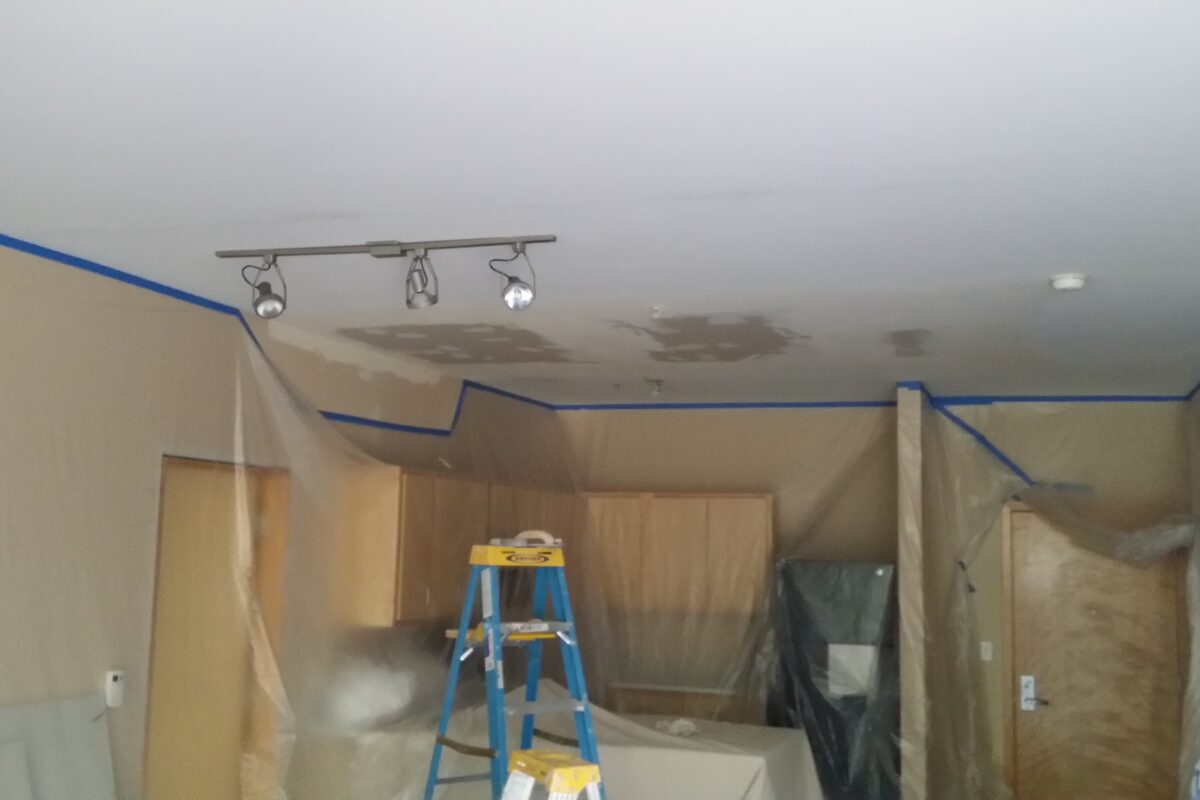
Exterior painting in winter works only on mild stretches above the label minimum. Winter is prime time for interior work.
Read the guide →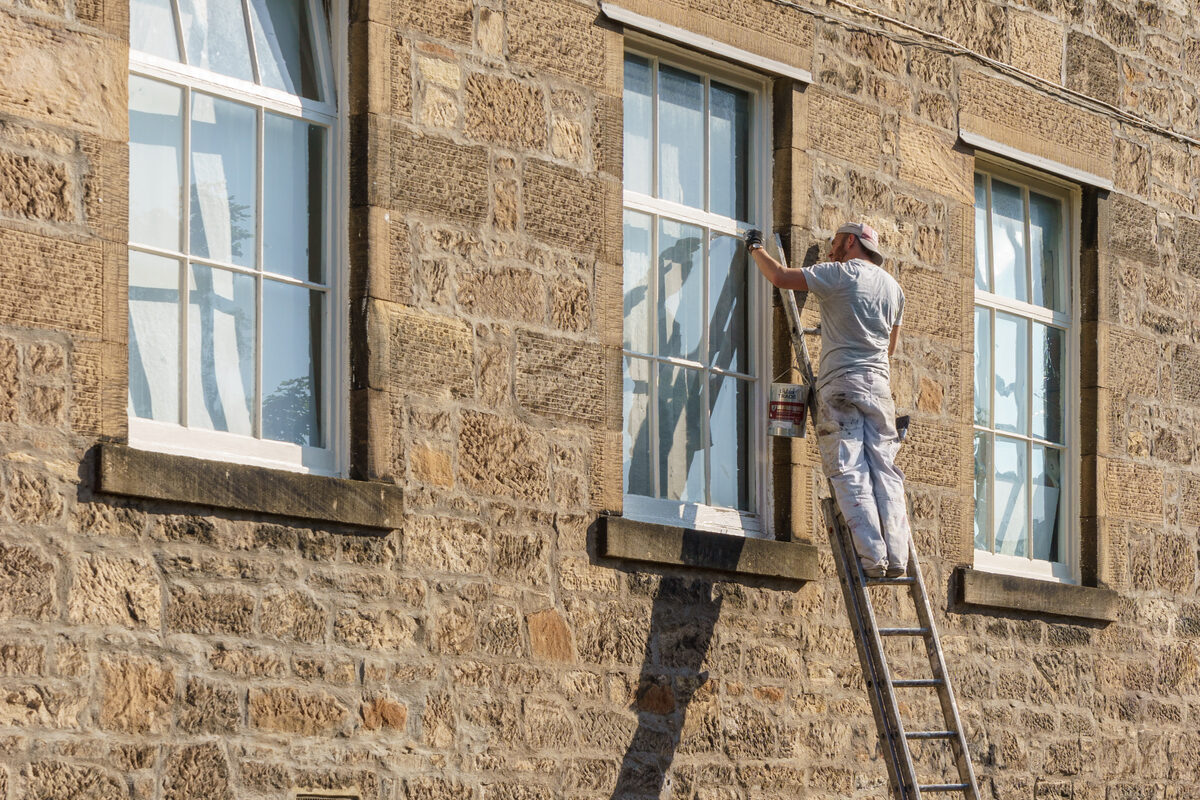
Fresh caulk keeps water out of siding and trim and makes interior trim look finished. Some gaps should never be caulked.
Read the guide →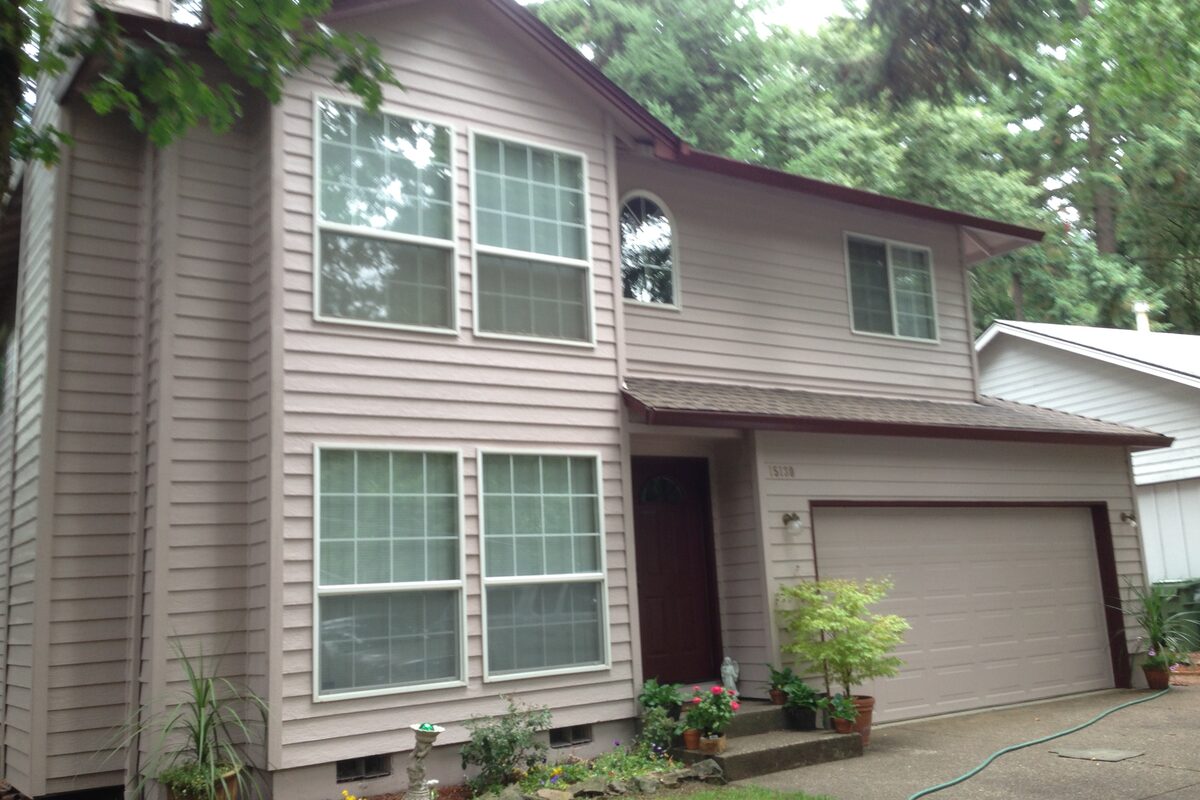
That powder on your hand is the paint's binder breaking down in the sun. It has to be washed off, and heavy chalk needs primer.
Read the guide →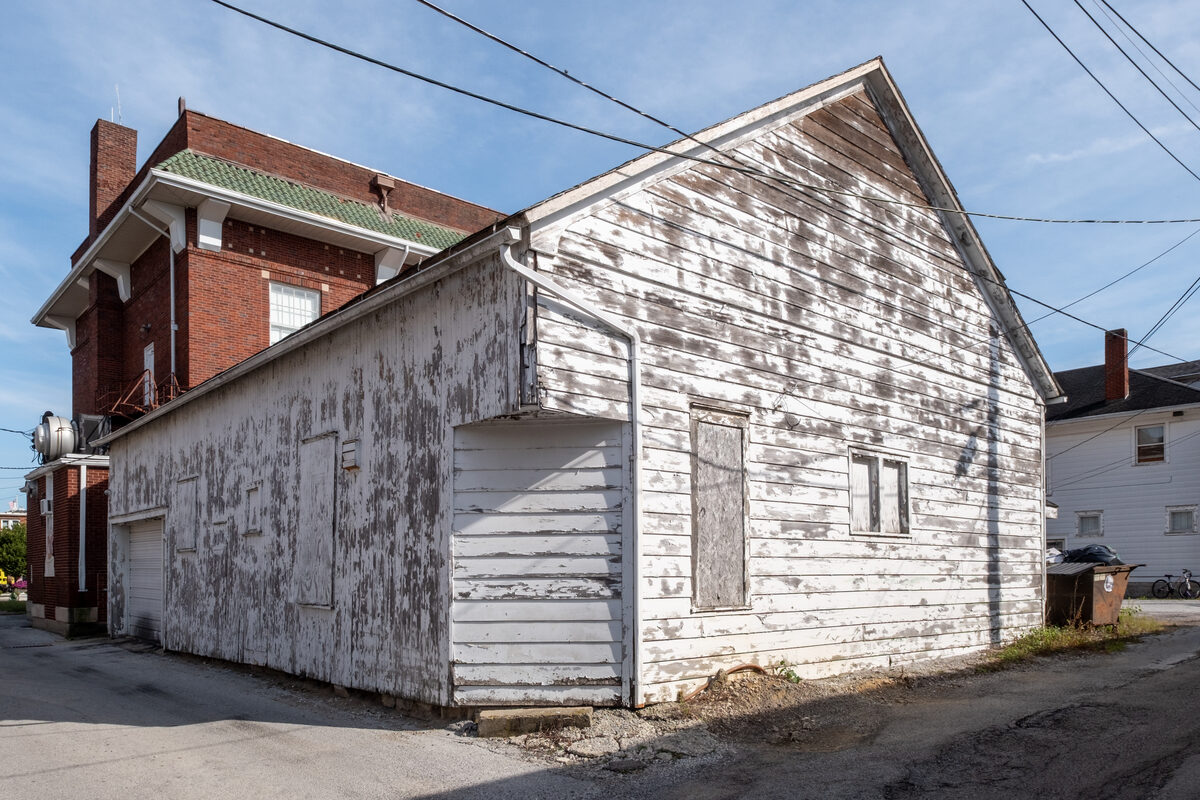
A much lower quote usually means skipped prep, one coat or missing insurance. Here is how to spot it before you sign.
Read the guide →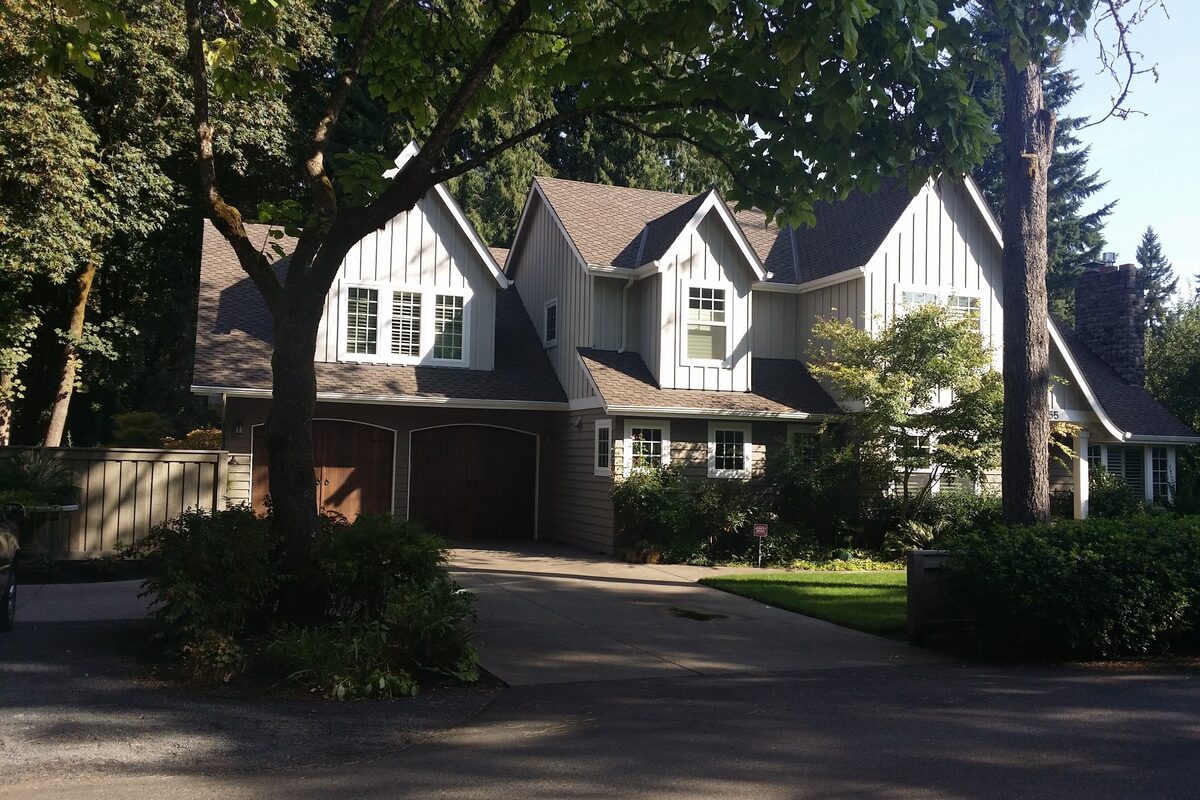
Start with what you are not changing (roof, brick, stone), choose body, trim and accent, and check the HOA palette before sampling.
Read the guide →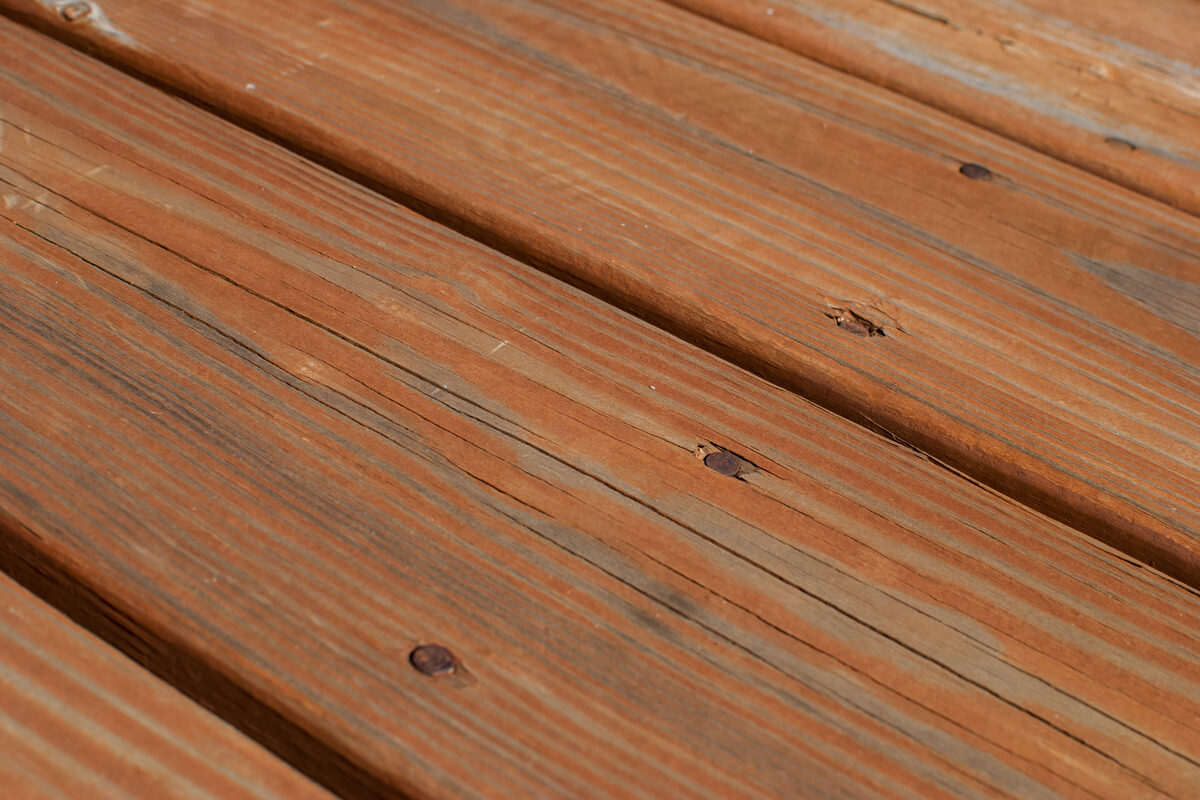
Stain soaks in and wears away; paint sits on top and peels. For walking surfaces, stain usually wins; rails and skirting can take paint.
Read the guide →
One bedroom is a fine DIY job. Two-story exteriors, cabinets and pre-1978 paint are where hiring pays off.
Read the guide → Size, height, siding, prep, repairs and trim detail drive exterior prices. National benchmarks run about $1.50 to $5 per square foot.
Read the guide →
Fences are vertical, so stain lasts longer than on decks. Clean the wood, back-brush the stain, and sort out access to the neighbor's side.
Read the guide → Hardboard swells where water gets past the paint, especially at bottom edges. Sound boards can be sealed and painted; swollen ones get replaced.
Read the guide → Most neighborhoods require approval for exterior color changes. Get colors, codes, photos and a scope together, then wait for written approval.
Read the guide →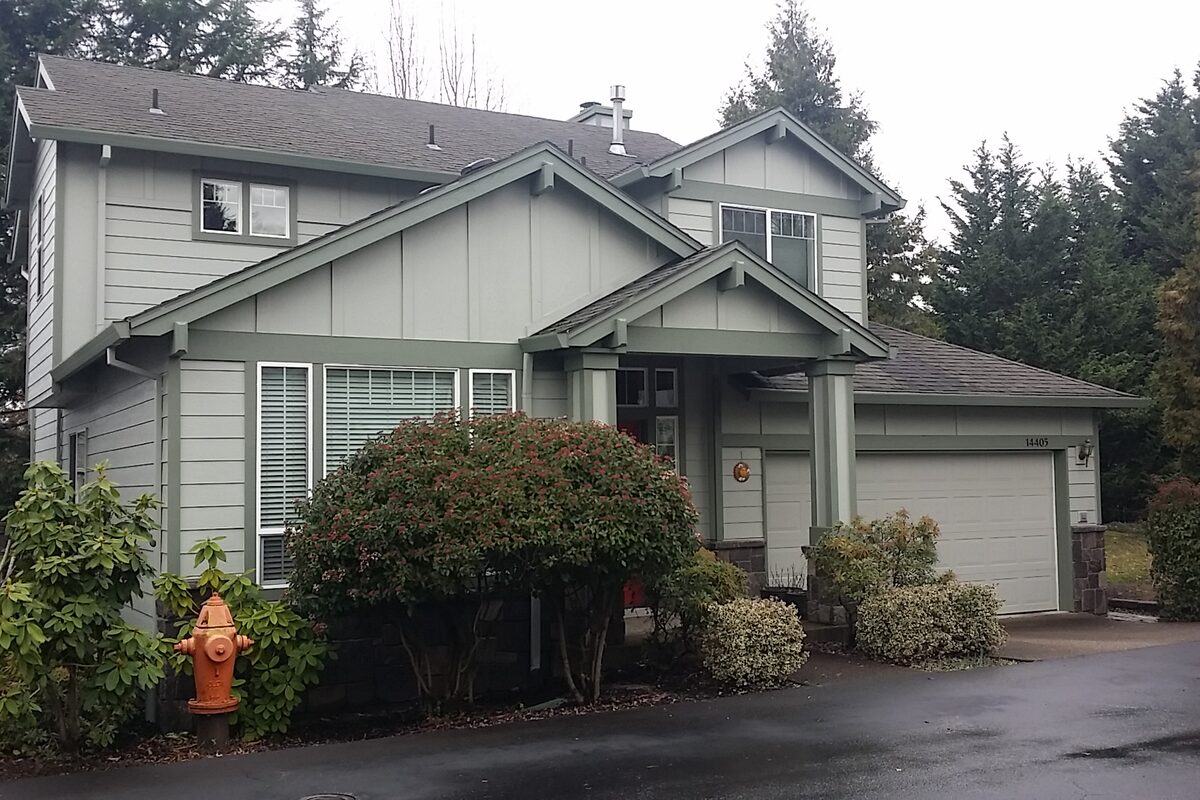
Siding usually goes 7 to 10 years and trim 5 to 7 here. Sun, storms and prep decide where in that range your house lands.
Read the guide → Busy rooms often need paint every 3 to 5 years; quiet rooms and ceilings last much longer. Washable finishes stretch it.
Read the guide → Measure walls, subtract doors and windows, divide by label coverage, then double it for two coats. Worked examples for rooms and exteriors.
Read the guide → No painting license exists in NC, so check insurance, lead-safe certification on older homes, reviews and a detailed written scope.
Read the guide → Clear small items and wall hangings, make room to work, sort out pets and parking, and have colors final before day one.
Read the guide → Compare prep lines, coat count and products, not just the total. A cheaper quote that skips washing, caulk or primer is a different job.
Read the guide → Small chips lie. Paint large samples, look at them at different times of day, and test exterior colors on a sunny wall.
Read the guide → HomeGuide puts one room at $300 to $1,000 for walls, $600 to $2,000 with ceiling and trim. Here is what moves it.
Read the guide → Painting itself is not the hazard; scraping and sanding old paint is. NC requires certified firms for paid work on pre-1978 homes.
Read the guide → Lower-VOC paints cut odor and emissions. Ventilation during and after painting still matters, especially in bedrooms and nurseries.
Read the guide → Shade and slow drying let mildew grow on north walls. Wash it off with a mildewcide, then fix what keeps the wall damp.
Read the guide →
Framing shrinks and moves, pushing nails out and cracking corners. Re-fasten with screws and tape the cracks; filling alone fails.
Read the guide → No painting license exists in NC. The rules that do apply: the $40,000 GC threshold, lead-safe certification and workers' comp.
Read the guide → Keep labeled touch-up paint, dry out small amounts of latex, and take oil-based products to a county drop-off center.
Read the guide → What each sheen looks like, how it cleans, and which one to use on walls, ceilings, trim, bathrooms and exteriors.
Read the guide →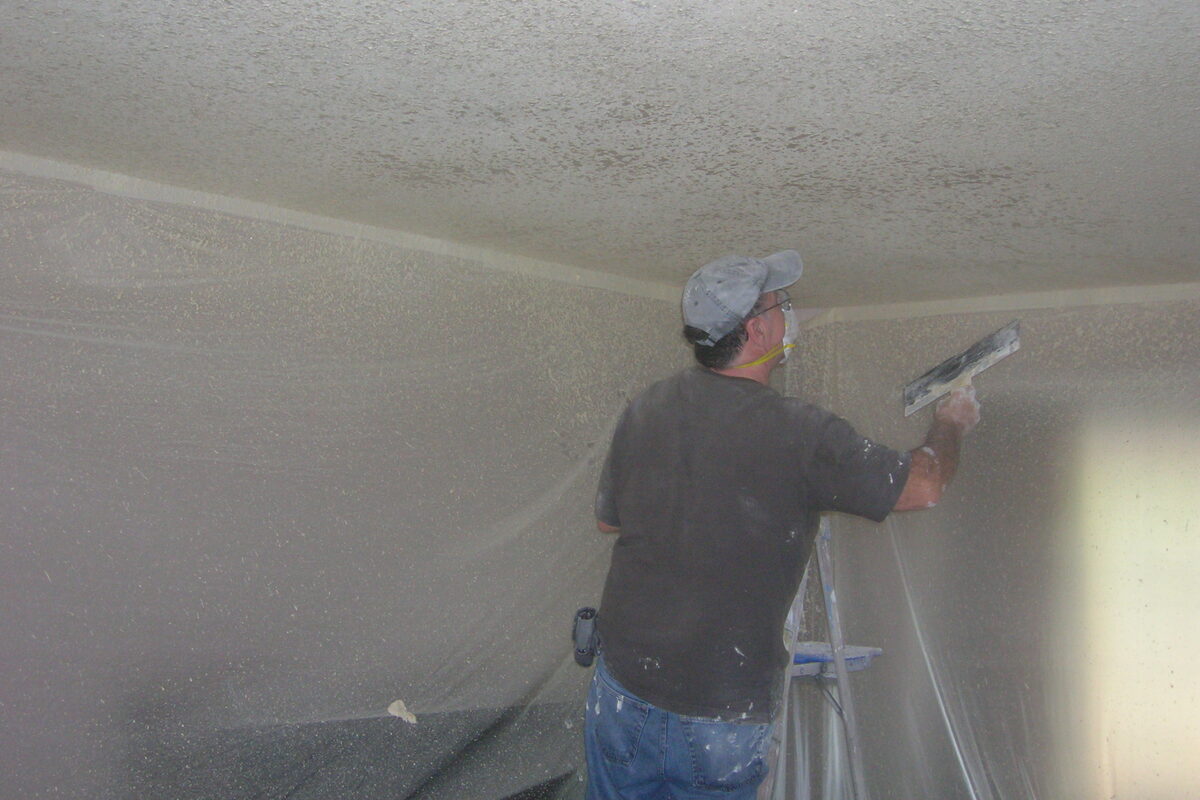
Bathroom paint needs a moisture-resistant finish and a fan that removes steam. Peeling ceilings usually mean the steam is winning.
Read the guide →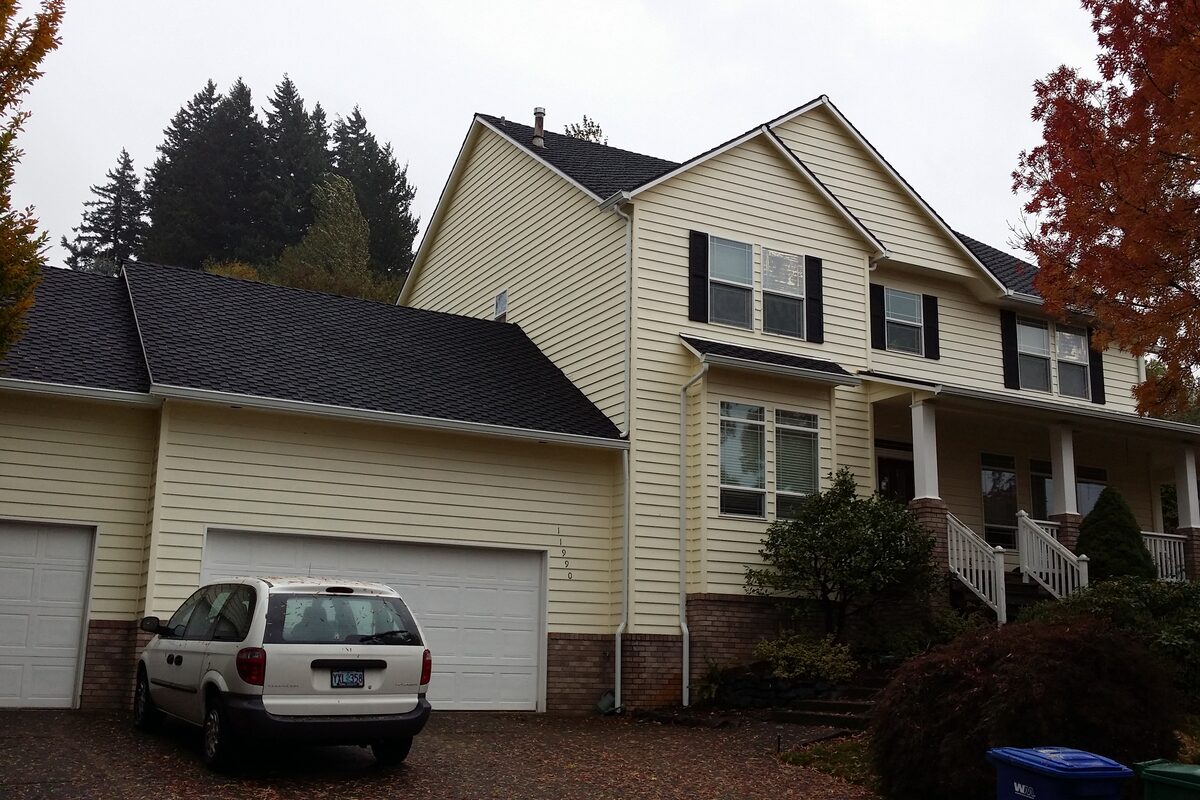
Fresh neutral paint in the main rooms and a clean front entry photograph well. Paint does not replace disclosing known problems.
Read the guide → Painted brick looks great and is hard to reverse. Breathable products, clean and sound brick, and HOA approval come first.
Read the guide → Ceilings go first, in flat paint, rolled in one direction while the edge is still wet. That is how stripes and lap marks are avoided.
Read the guide → Going from dark to light usually takes a tinted primer plus two coats. Reds, navy and charcoal are the hardest to hide.
Read the guide → Fiber cement holds paint well. The first repaint is about butt-joint caulk, bare cut ends and washing off builder dust and pollen.
Read the guide → Front doors take the most sun and the most hands. A durable exterior enamel, careful prep and enough cure time make the difference.
Read the guide → Humid air slows drying and evening dew can spot fresh paint. Heat and direct sun can blister it. Timing around both keeps summer jobs on track.
Read the guide → Builder paint is thin and flat, framing settles, and the first exterior coat wears out together with the caulk. Here is how to plan the first repaint.
Read the guide →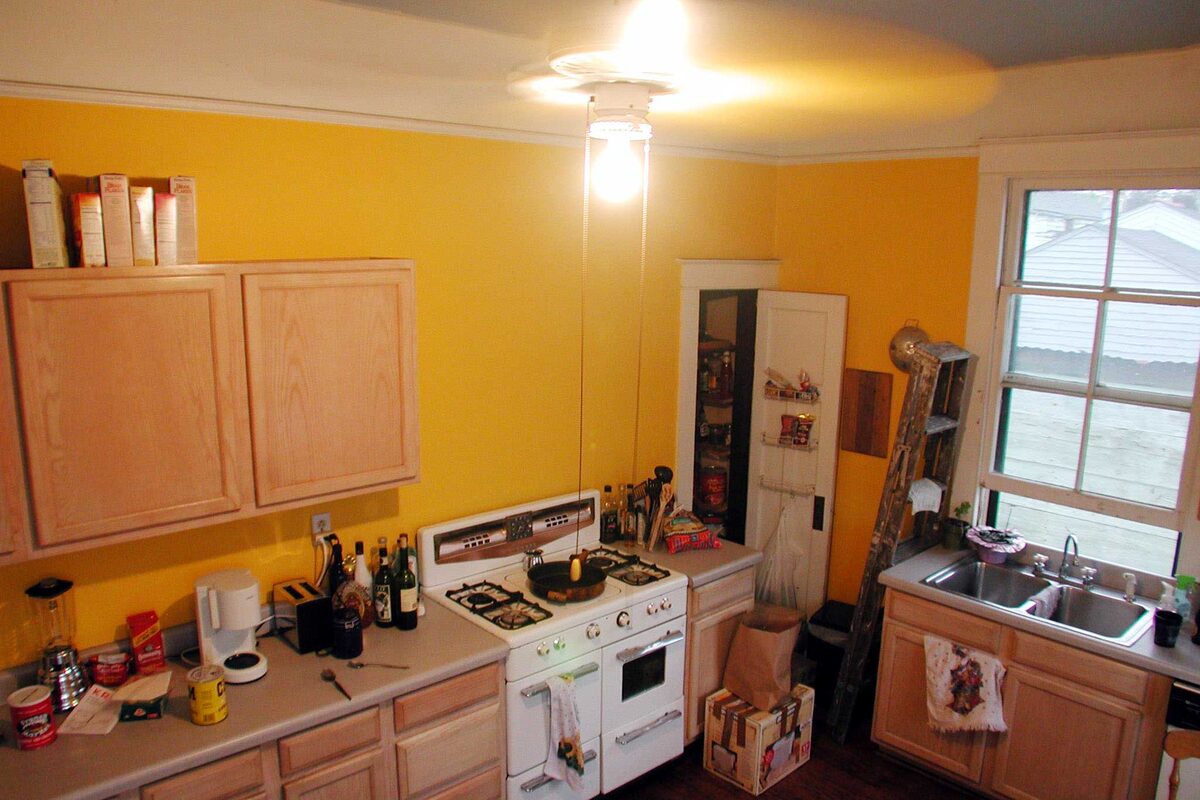
Oak grain shows through paint unless it is filled, and oak tannins can bleed through light colors without the right primer.
Read the guide →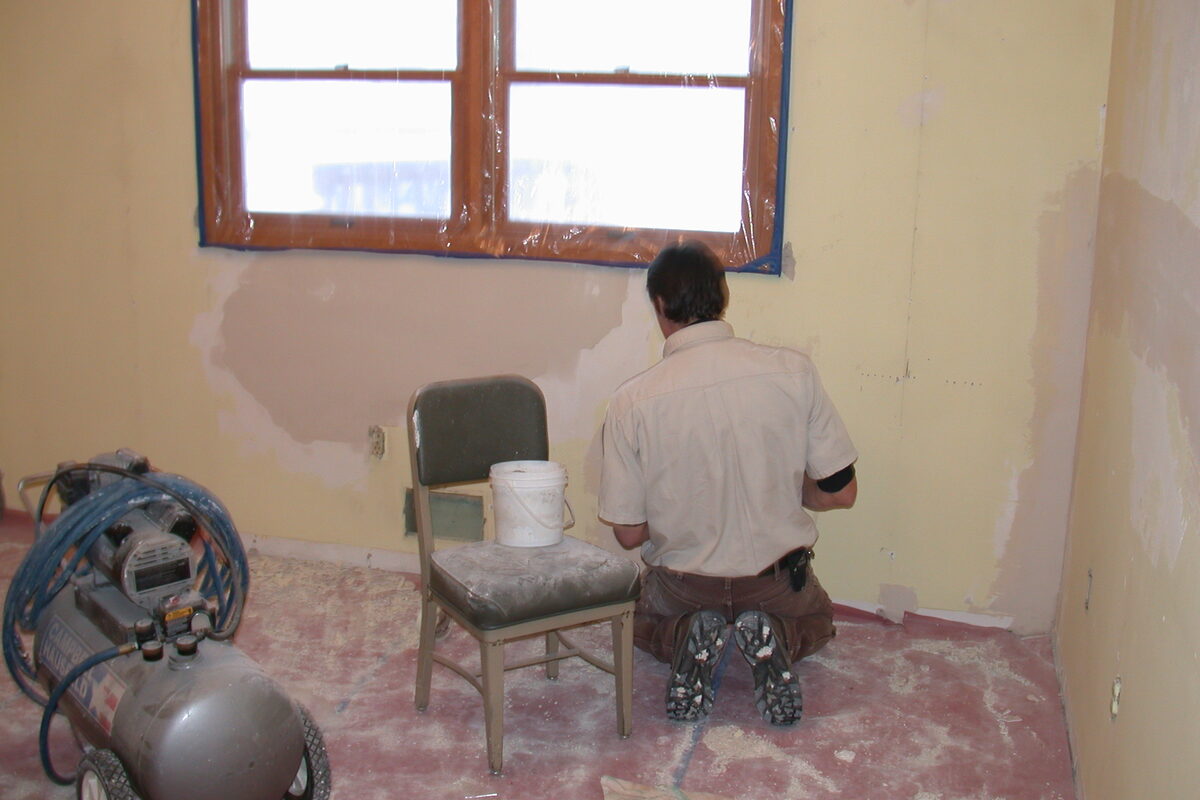
Removing wallpaper is usually better. If it has to stay, it must be firmly stuck and sealed with an oil or shellac primer first.
Read the guide → Ordinary paint will not hide a water stain; it bleeds through. Fix the leak, dry the board, then seal it with a stain-blocking primer.
Read the guide → Tall foyers and stairwells are about safe access: planks or scaffolding over the stairs, protected floors and careful cut lines.
Read the guide → Trim and doors take the most wear. Sanding, the right primer over old oil paint and a durable enamel keep them from chipping.
Read the guide → Vinyl can be painted with a vinyl-safe paint in an approved color. Going much darker than the original is what causes warping.
Read the guide → A workmanship warranty covers peeling and flaking from prep or application. Fading, outside leaks and deck wear are usually excluded.
Read the guide → Paint does not bond to pollen. Wash right before painting, watch for pollen-heavy days, and plan around the worst weeks.
Read the guide →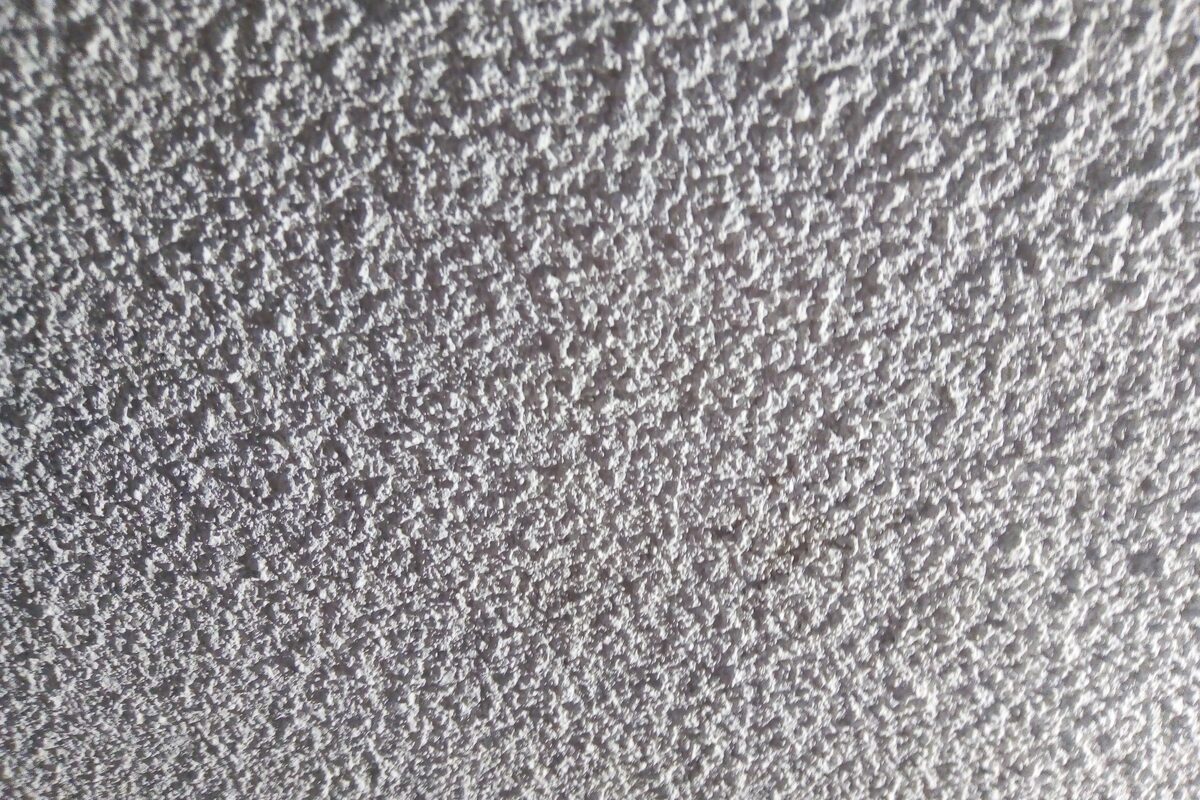
You cannot tell by looking. Older textured ceilings get a lab test before anyone scrapes them.
Read the guide → Primer goes where paint cannot bond or cover evenly on its own. Sound painted surfaces in a similar color usually skip it.
Read the guide → Insurance, lead-safe certification for older homes, prep, products, coats, schedule, payment and warranty: get the answers in writing.
Read the guide → One standard color, washable finishes and a labeled touch-up can make every turnover faster. Older units need lead-safe prep.
Read the guide → More pigment hides more grain and lasts longer, but solid stain behaves more like paint and can peel on deck floors.
Read the guide → Ceilings under popcorn are rarely smooth. A skim coat gives a flat ceiling; a light texture hides flaws for less.
Read the guide → New treated lumber is often too wet to stain. A water drop test tells you when it will absorb stain.
Read the guide → If a seller came to you and you signed at home, NC law generally gives you until midnight of the third business day to cancel in writing.
Read the guide →
Paint bonds to whatever is on the surface. Wash off pollen, chalk, mildew and clay, then let the house dry before primer.
Read the guide → Every white has an undertone. The light in the room and the finishes around it decide whether it reads crisp, creamy or cold.
Read the guide → Peeling almost always comes from water behind the paint, a dirty or chalky surface, missing primer, or incompatible old coatings.
Read the guide → Rot starts where water sits: sills, door frame bottoms, fascia behind gutters and siding edges. Probe them before painting.
Read the guide →Each topic answers a question homeowners in Matthews ask before or after they call a painter.
Price ranges, estimates, warranties and choosing a painter
Siding, trim, brick and how long paint lasts here
Sheens, undertones, HOA palettes and testing colors
Stain types, new lumber and wood rot
Pollen, humidity, heat and winter painting
Pre-1978 homes, licensing, disposal and HOAs
Call (980) 243-8188 to book an on-site estimate. See what a job with us involves, or call us. Our phone line is open Monday to Saturday, and every job starts with a written scope.
Call (980) 243-8188 and tell us which rooms or which sides of the house, what you are seeing (peeling, fading, stains, rot), and when you would like the work done. We will set up an on-site estimate.