
When Do You Need Primer? Bare Wood, Patches, Stains, Gloss and Big Color Changes
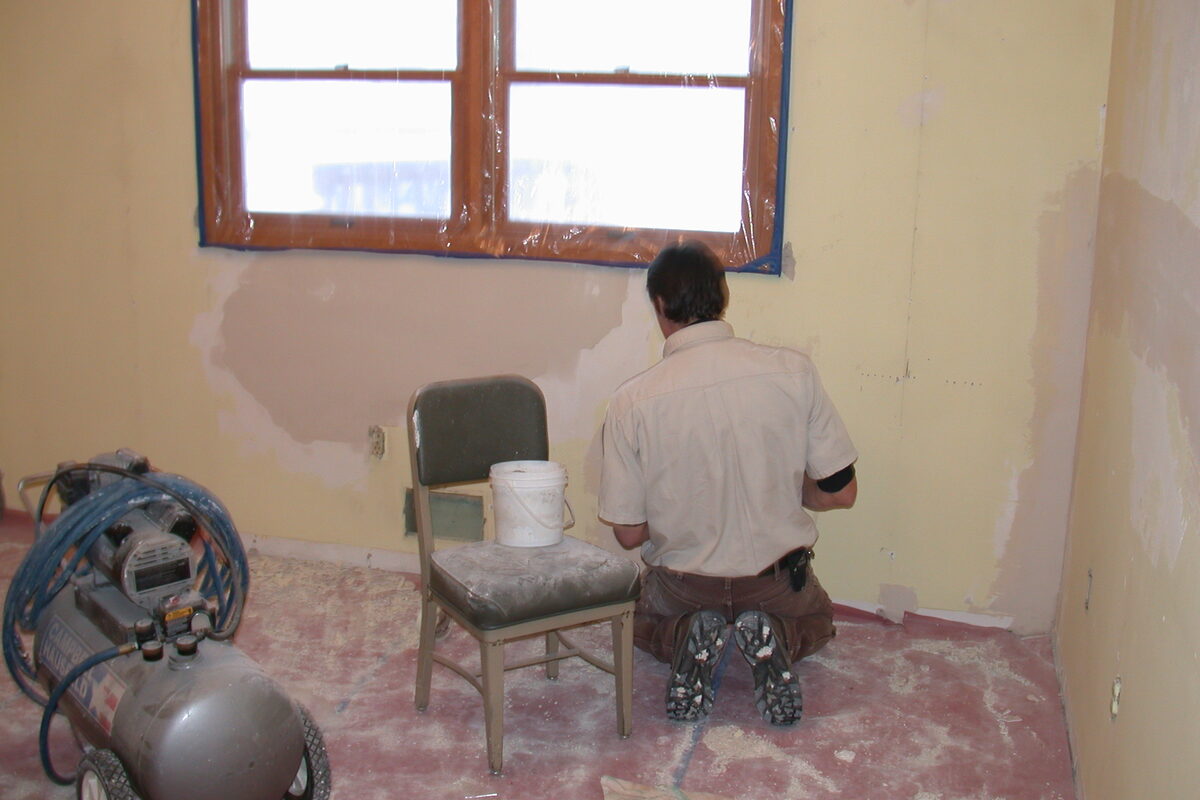
Primer is for surfaces that paint cannot stick to or cover evenly on its own. It is not needed on every wall, and "paint-and-primer in one" products do not replace a real primer where one is needed.
When You Need Primer
| Surface | Why | Typical primer |
|---|---|---|
| New drywall and joint compound | Porous; finish paint flashes and absorbs unevenly | Drywall primer (PVA or acrylic) |
| Patches on painted walls | Patches absorb differently and show through | Spot-prime with drywall or multi-purpose primer |
| Bare wood inside or out | Seals the wood and helps paint bond | Exterior or interior wood primer |
| Water, smoke or tannin stains | Stains bleed through water-based paint | Stain-blocking primer, often oil or shellac |
| Glossy or oil-based paint | Latex does not grip glossy or oil surfaces well | Bonding primer after scuff-sanding |
| Chalky exterior paint (after washing) | Binds remaining chalk | Primer made for chalky surfaces |
| Bare metal | Prevents rust and improves adhesion | Metal primer |
| Big color change | Helps hide the old color | Tinted primer |
When You Can Skip It
Clean, sound painted walls in a similar color usually need only two finish coats. Many self-priming paints work well on previously painted surfaces, but they are not a substitute for stain-blocking or bonding primers.
Spot-Priming vs Full Priming
On a wall with a few patches, spot-priming the patches is enough, though a wall with many patches or a glossy area may look more even with a full coat. Exterior repaints usually get spot-priming on bare and repaired areas, and full priming where chalk or bare wood covers a large area.
Frequently Asked Questions
Is paint-and-primer as good as primer?
On previously painted, sound surfaces, often. On bare wood, new drywall, stains or glossy paint, use a dedicated primer.
Do I need primer when changing colors?
For big changes, a tinted primer saves a coat. For similar colors, no.
Should I prime new drywall?
Yes, always.
How long after priming can I paint?
Follow the primer label; many can be top-coated within a few hours.
Primer in Our Scope
We write where primer goes, and which kind, into every estimate. See interior painting or contact us.